Regenerative Agriculture
Regenerative agriculture represents a modern approach to farming that restores soil health, supports biodiversity and restores natural balance to the landscape. Instead of trying to control nature, it works with it – and as a result brings better quality food and a more sustainable future.
At Hanácká zemědělská in Dolany, we approach soil with respect and long-term vision. Regenerative agriculture represents a natural direction for us on how to farm more carefully and sustainably.
Basic Principles of Regenerative Approach
Regenerative agriculture is characterized by several basic principles, whose consistent application in agricultural production gradually leads to demonstrable and measurable restoration – regeneration of soil, its natural biological nature, soil health and fertility:
- Limiting Disruptive Effects on Soil
Mechanical soil processing (such as plowing or other general loosening and turning) is either completely omitted or limited to occasional, local and well-thought-out interventions. Chemical interventions (use of crop protection products or artificial fertilizers) are gradually reduced to the necessary minimum.
- Increasing Species Diversity – Biodiversity
Regenerative agriculture aims at maximum species diversity of all plants and animals. Only when a certain minimum level of diversity is achieved can all positive relationships, connections and relationships that influence higher fertility, health and overall resilience of the entire agricultural food production system begin to fully manifest.
- Continuous Soil Cover
Use of living plants (main crops or cover crops) or their dead biomass to create continuous soil cover. This cover has a fundamental effect on limiting the negative effects of various external influences (such as intensive rainfall, solar radiation, wind).
- Return of Farm Animals to Arable Land
Integration of farm animals back into fields has many benefits for soil life and its health, as well as for the animals themselves and their condition. This method of breeding ultimately results in significantly better quality and nutritional values of food. That's why we keep our chickens on pasture that is fresh and new every day.
- Living Roots in Soil
Plants are essentially the 'mouth of the soil'. Through their roots via root exudates, they feed all soil life. Plants send 30-70% of all substances that arise during photosynthesis and other subsequent processes in the green parts of plants into the soil. Therefore, for soil life and its health, it is absolutely essential that living plants grow on the soil ideally year-round or at least for most of the year.
- Know and Understand the Context
Each individual agricultural farm is unique in its soil-climatic conditions and all internal and external influences that affect its functioning, its strengths and weaknesses, advantages and limitations. For successful and long-term sustainable functioning according to the above principles of regenerative agriculture, it is therefore very important that these are in ideal harmony with all these factors.
Regenerative agriculture is actually not any revolutionary innovation – it's a return to roots, to the original and natural nature of agriculture. Today we also have better knowledge and technologies that allow us to use these principles more efficiently than ever before.
Regenerative agriculture has many undisputed advantages – it saves and regenerates natural resources, saves time, money, human and material costs and inputs. Through cooperation with nature (not fighting it) it is able to sustainably produce better quality and more nutritious food in the long term.
For us at Hanácká zemědělská, everything makes sense and we are convinced that it is worth applying regenerative agricultural practices in practice, because a simple equation applies:
HEALTHY SOIL = HEALTHY PLANTS AND HEALTHY ANIMALS = HEALTHY FOOD = HEALTHY PERSON
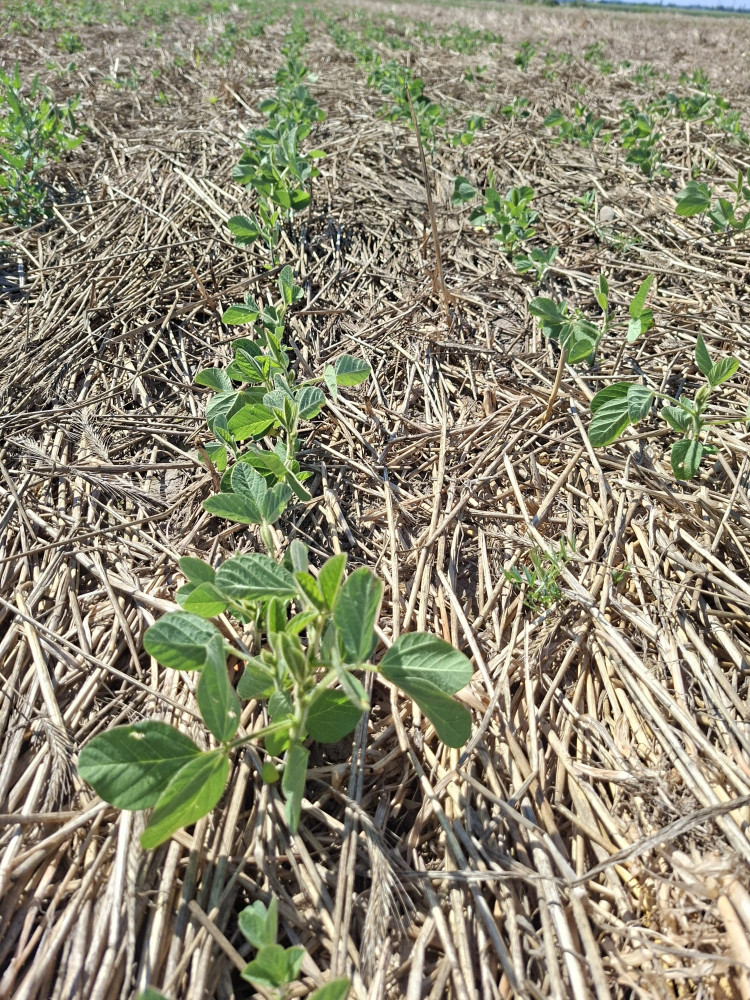
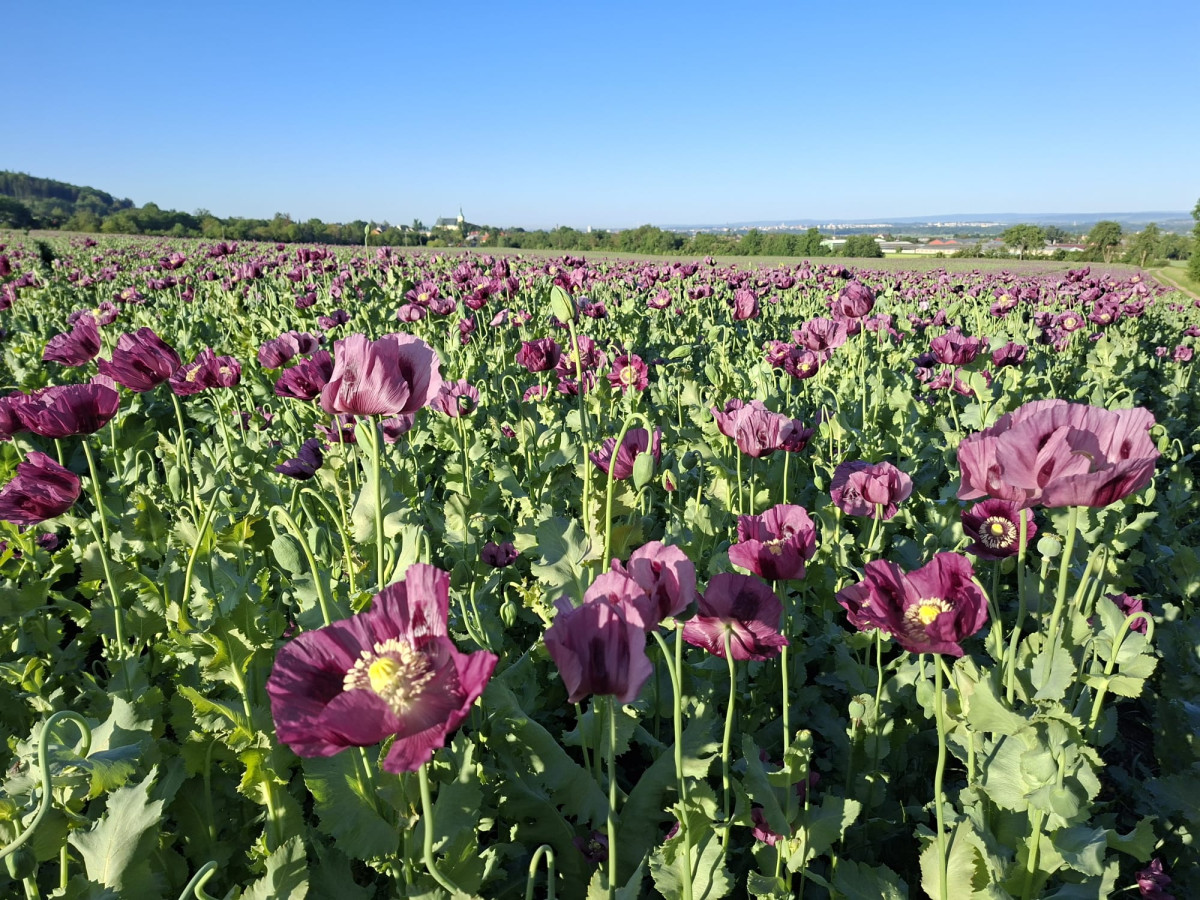
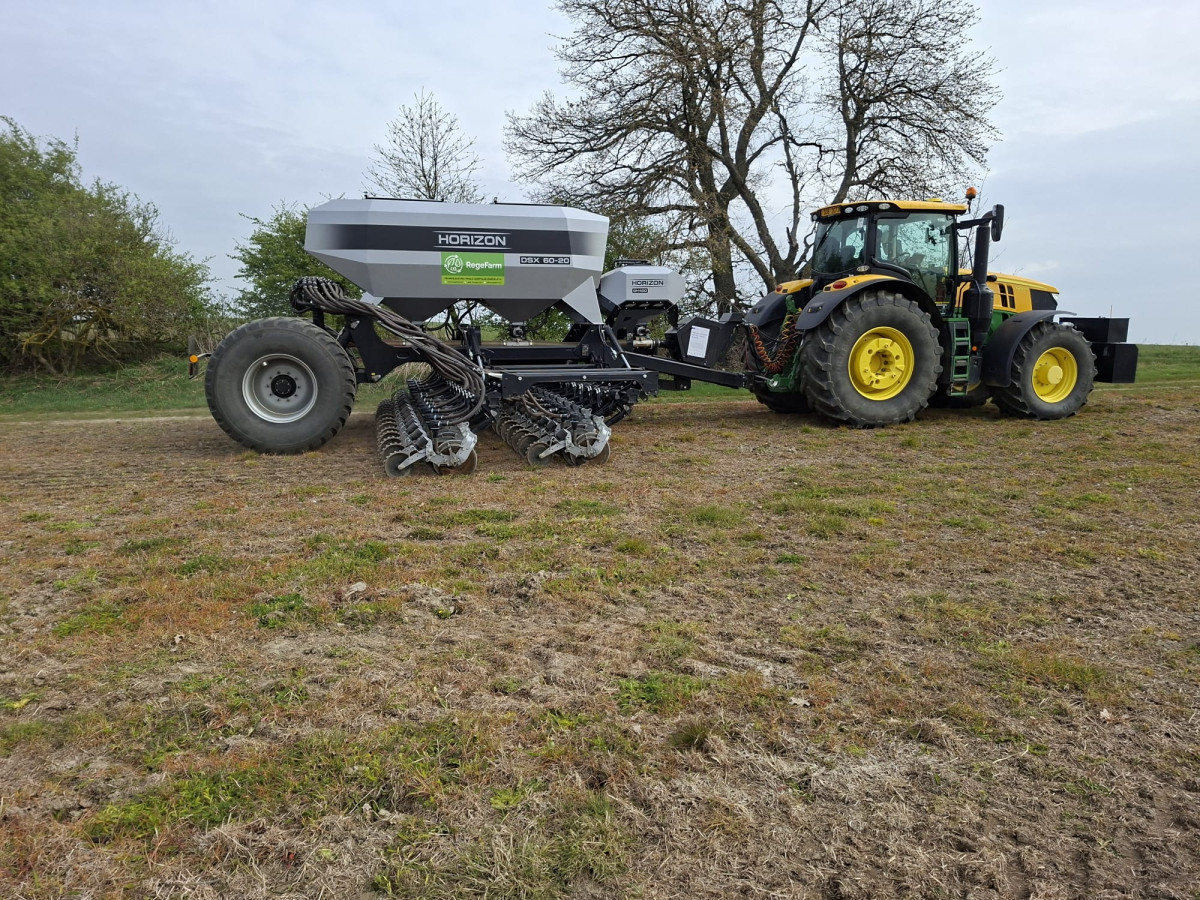
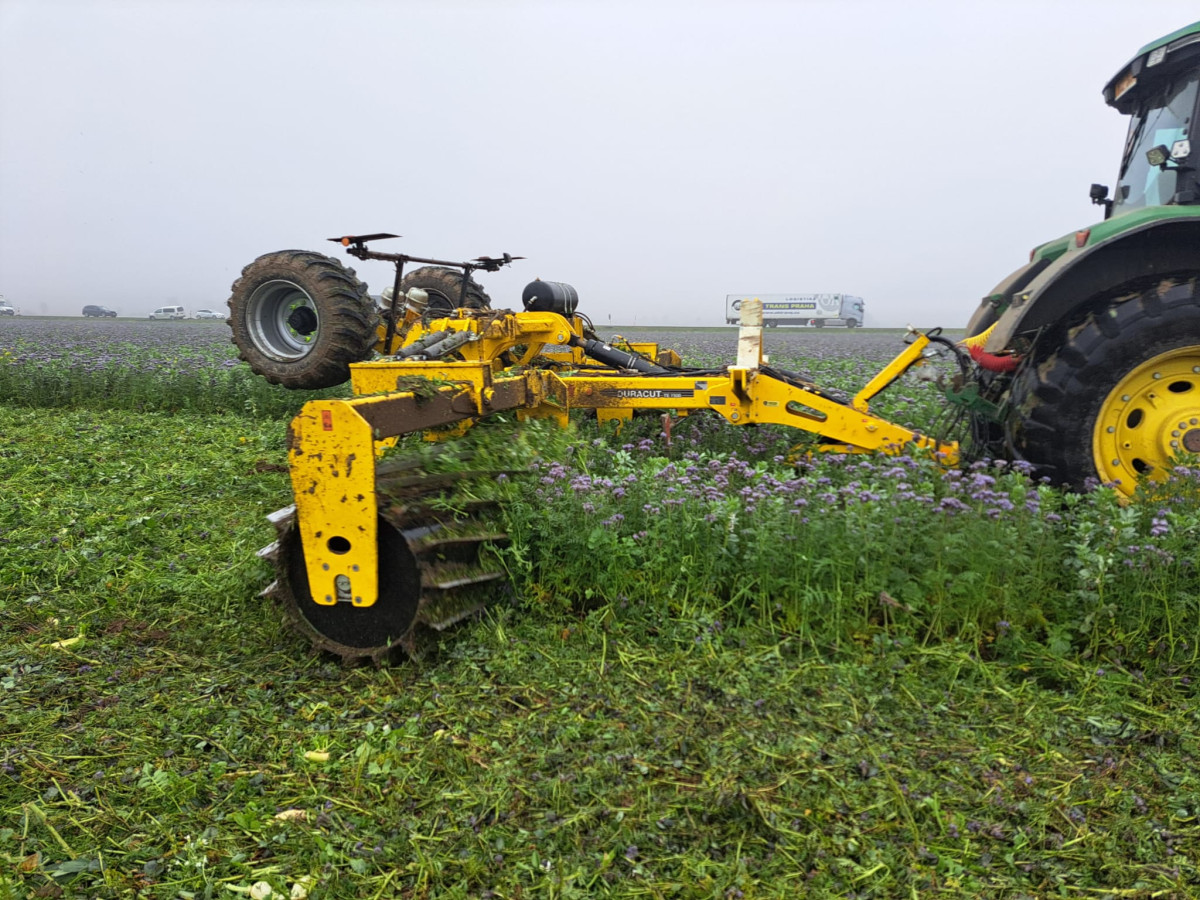
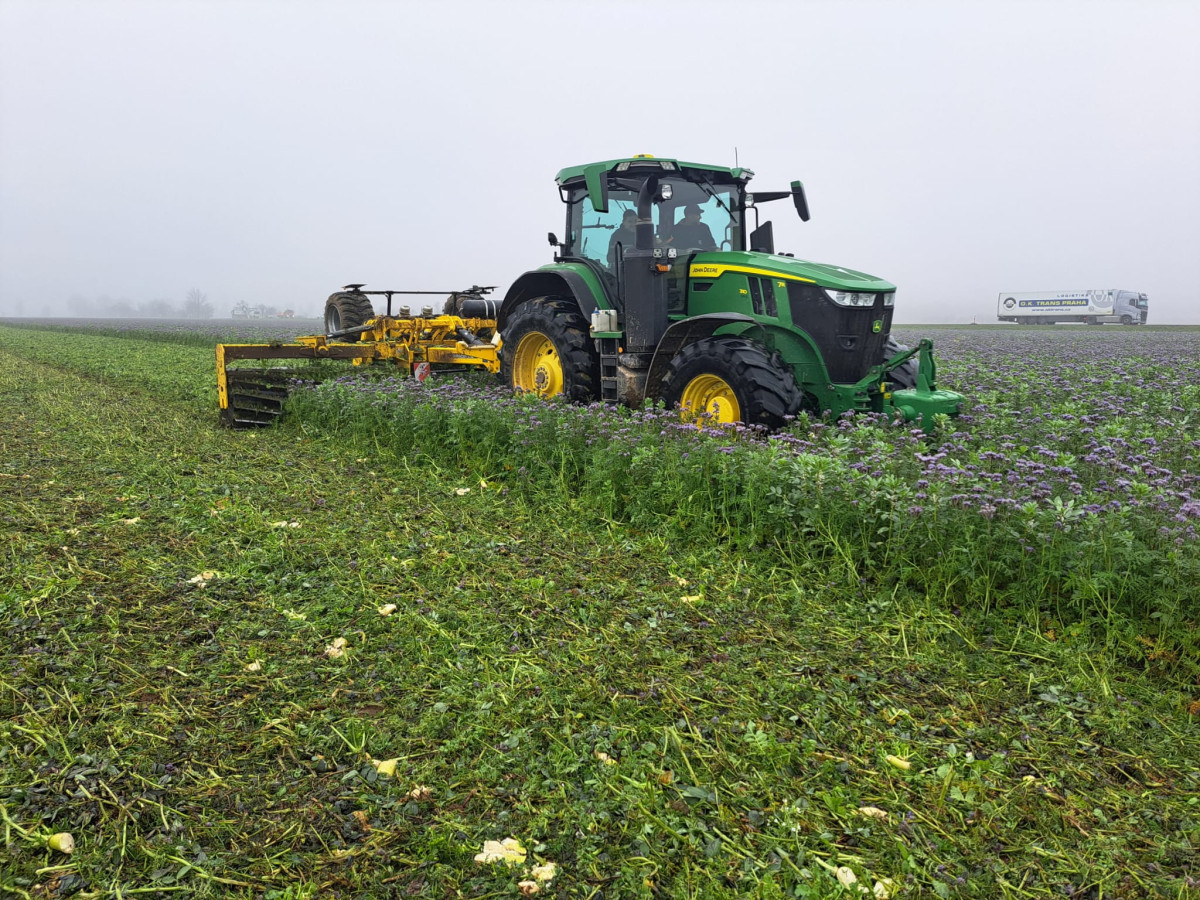
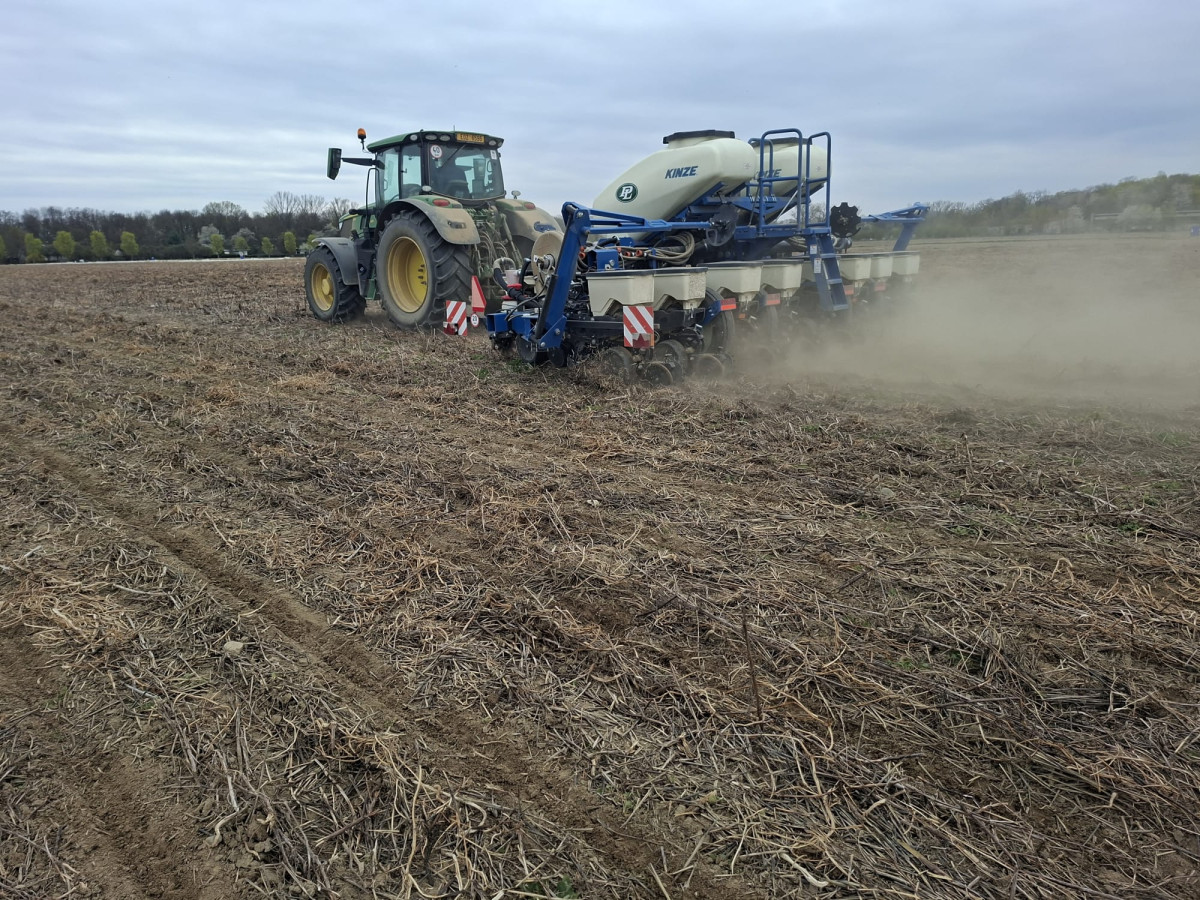
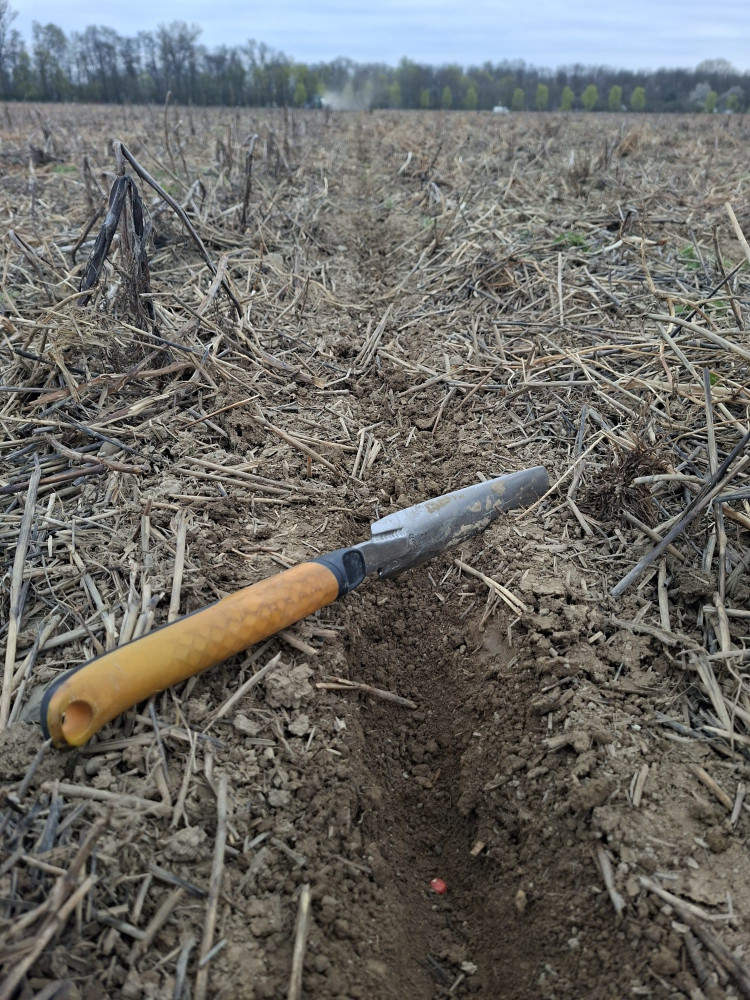
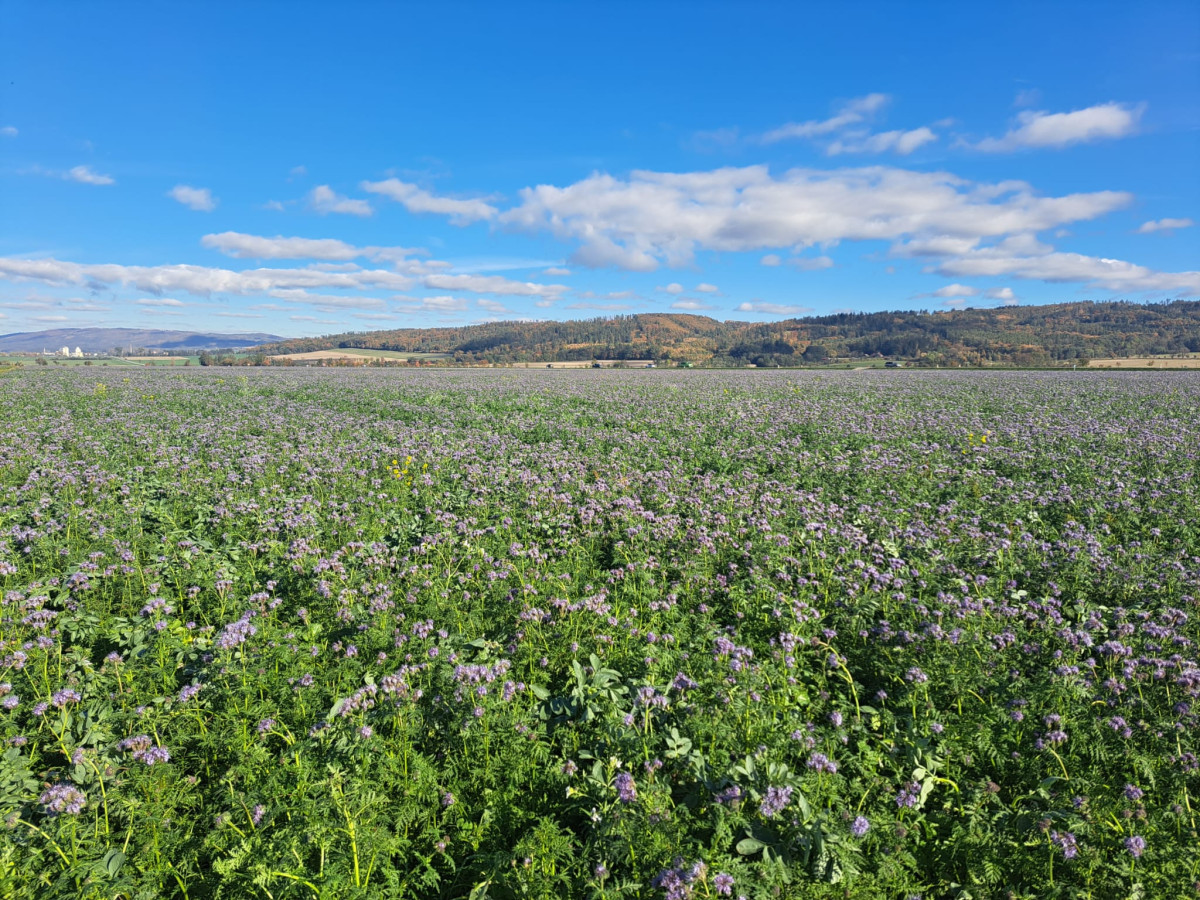
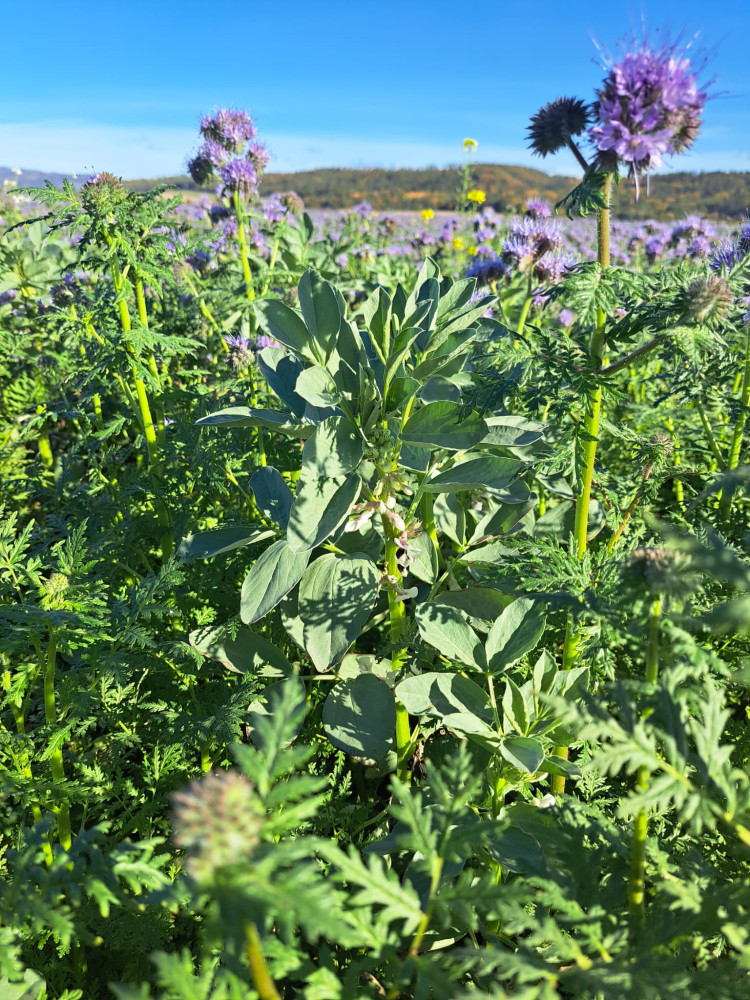
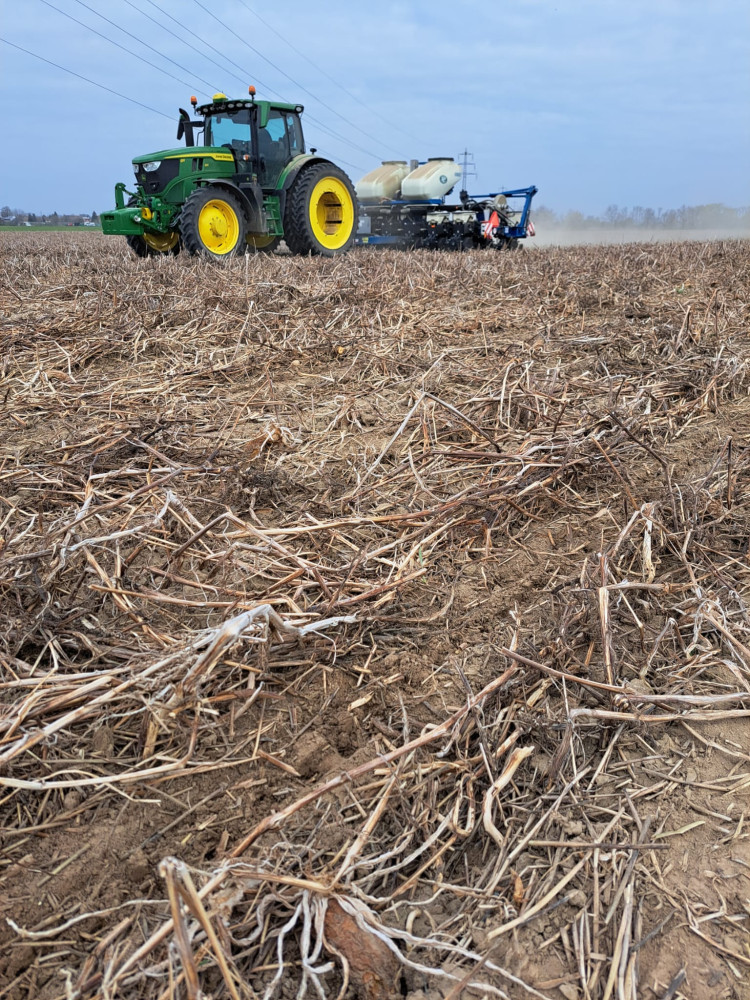
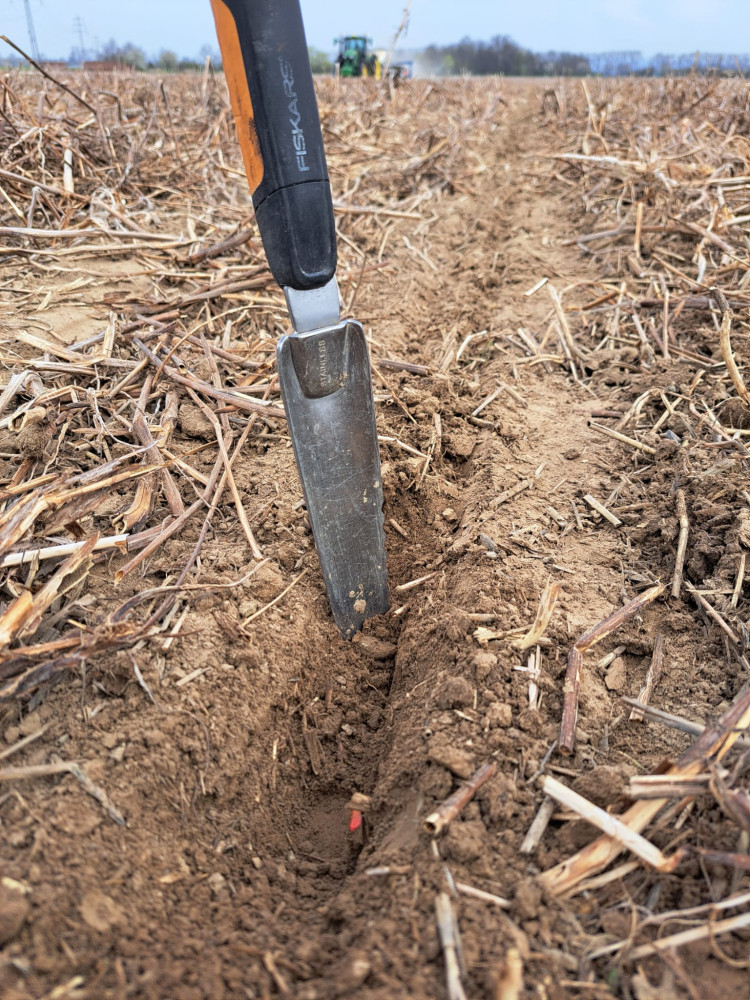
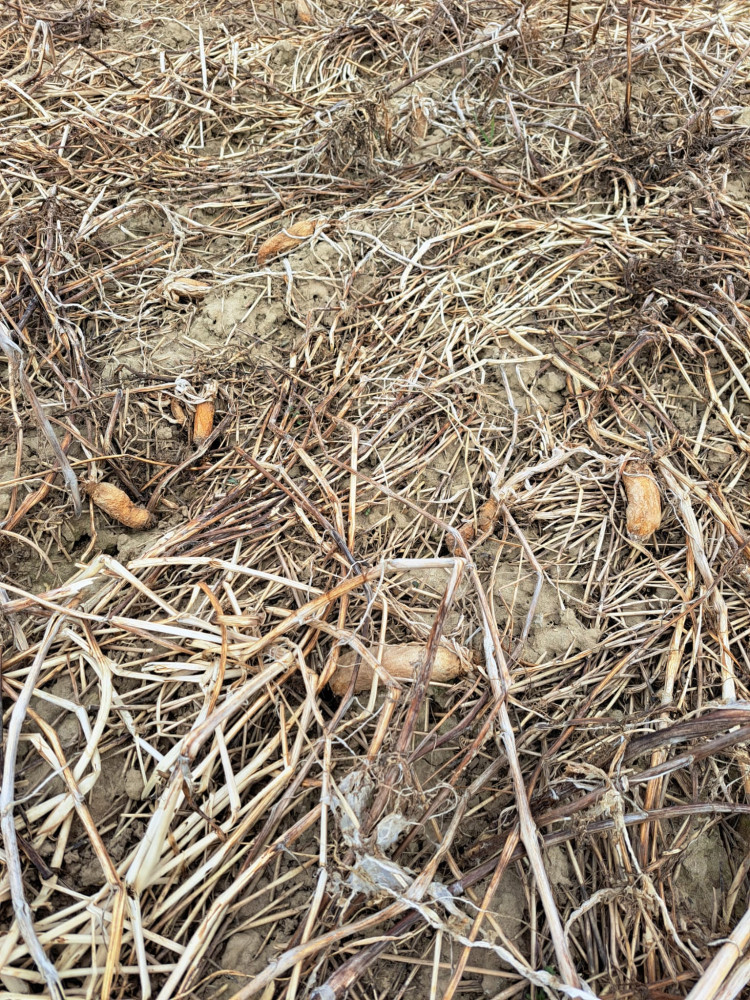
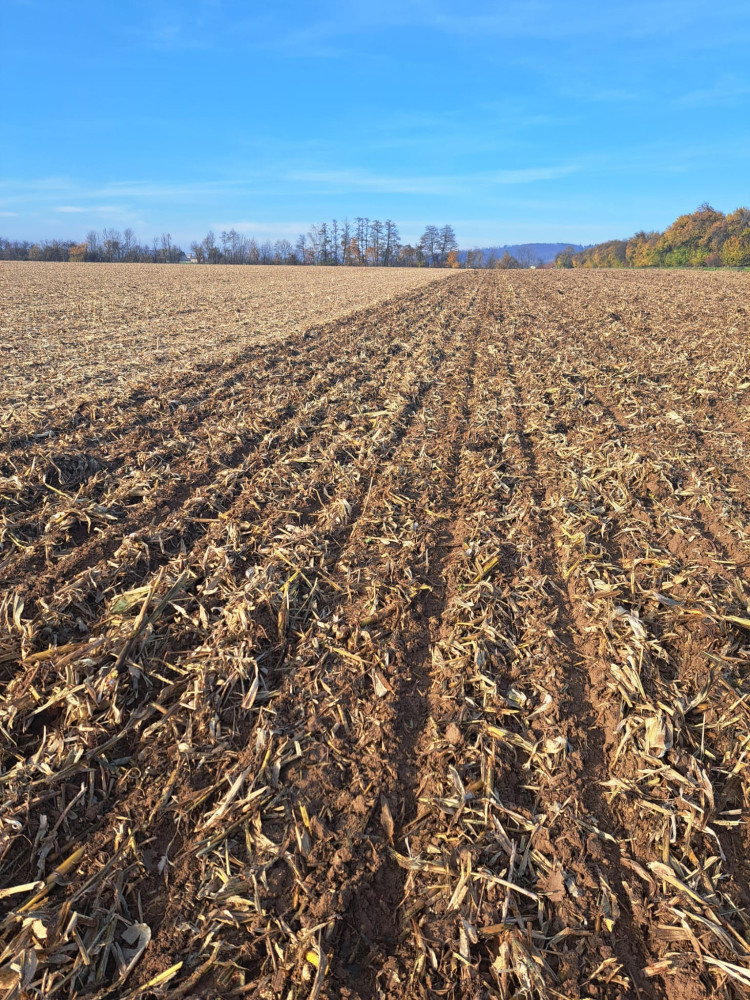
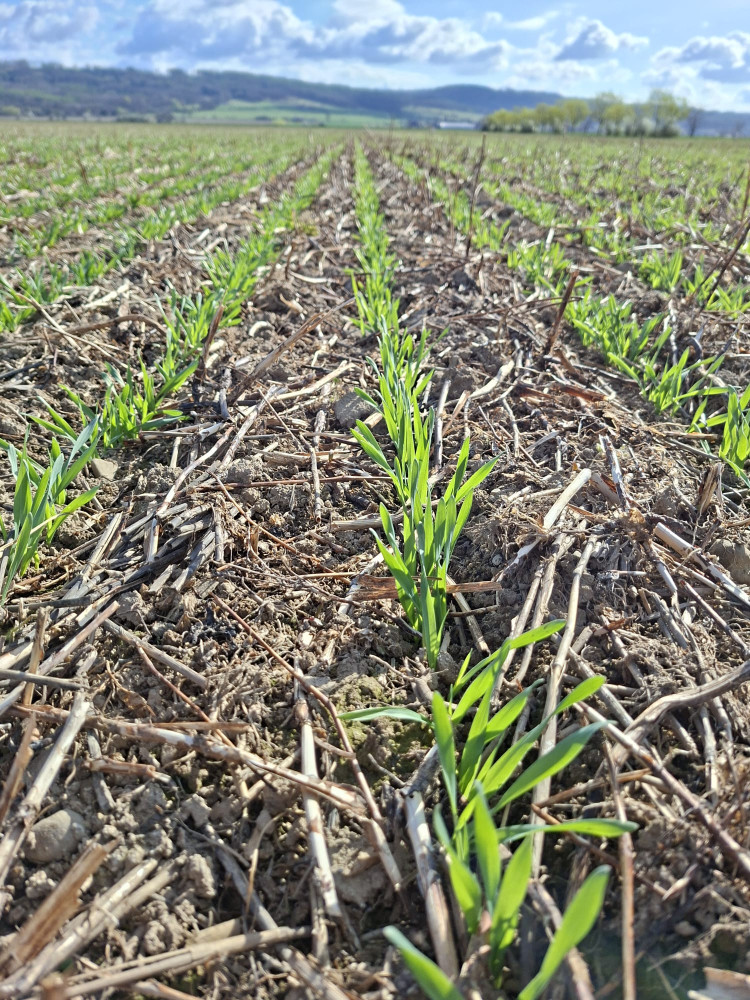
 Photo Gallery